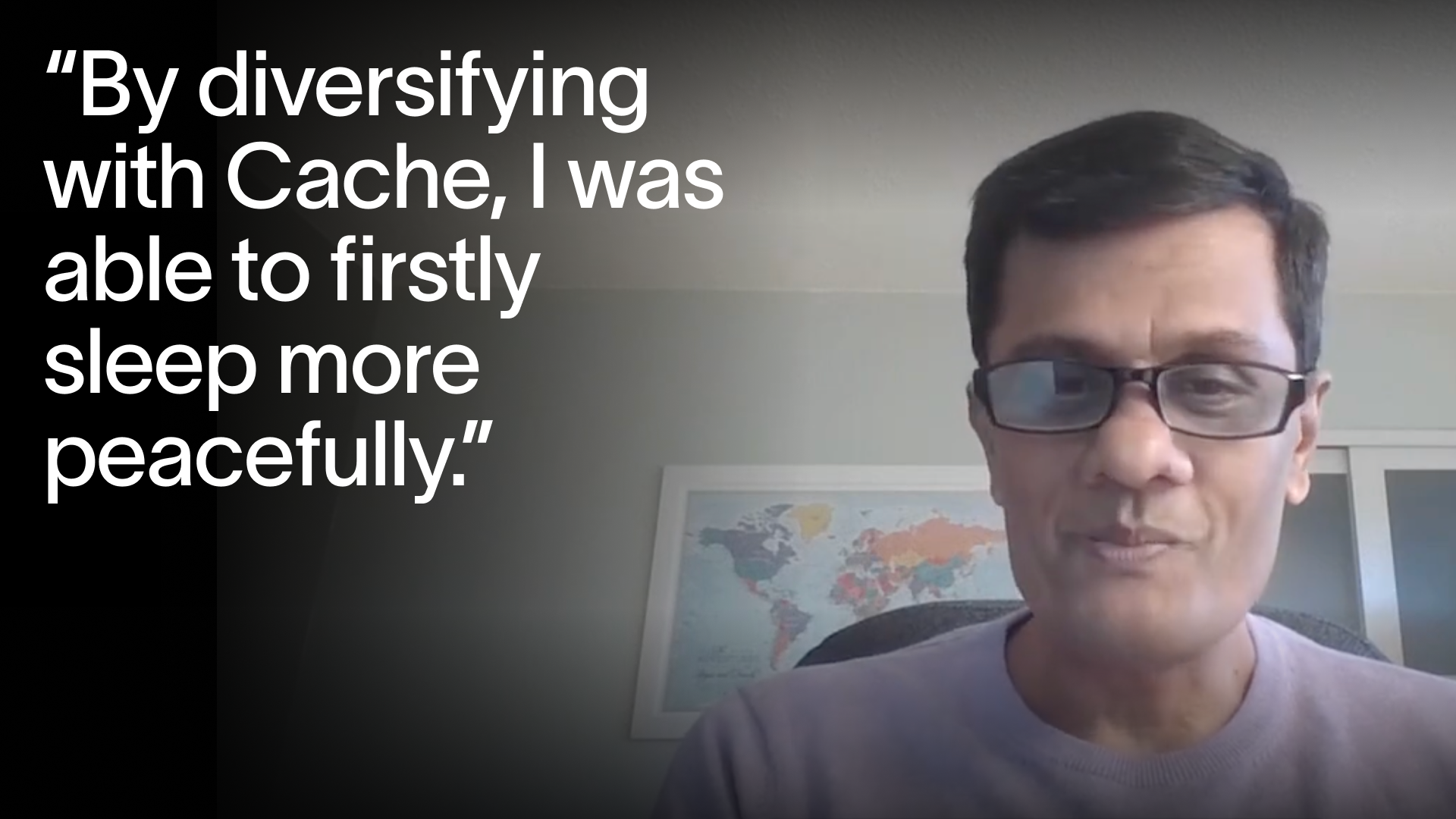






“I Don’t Have to Wake Up Every Single Day and Look at My Stocks Anymore” - Rohit on Managing Concentration

Rohit
CISO, Yext · Client
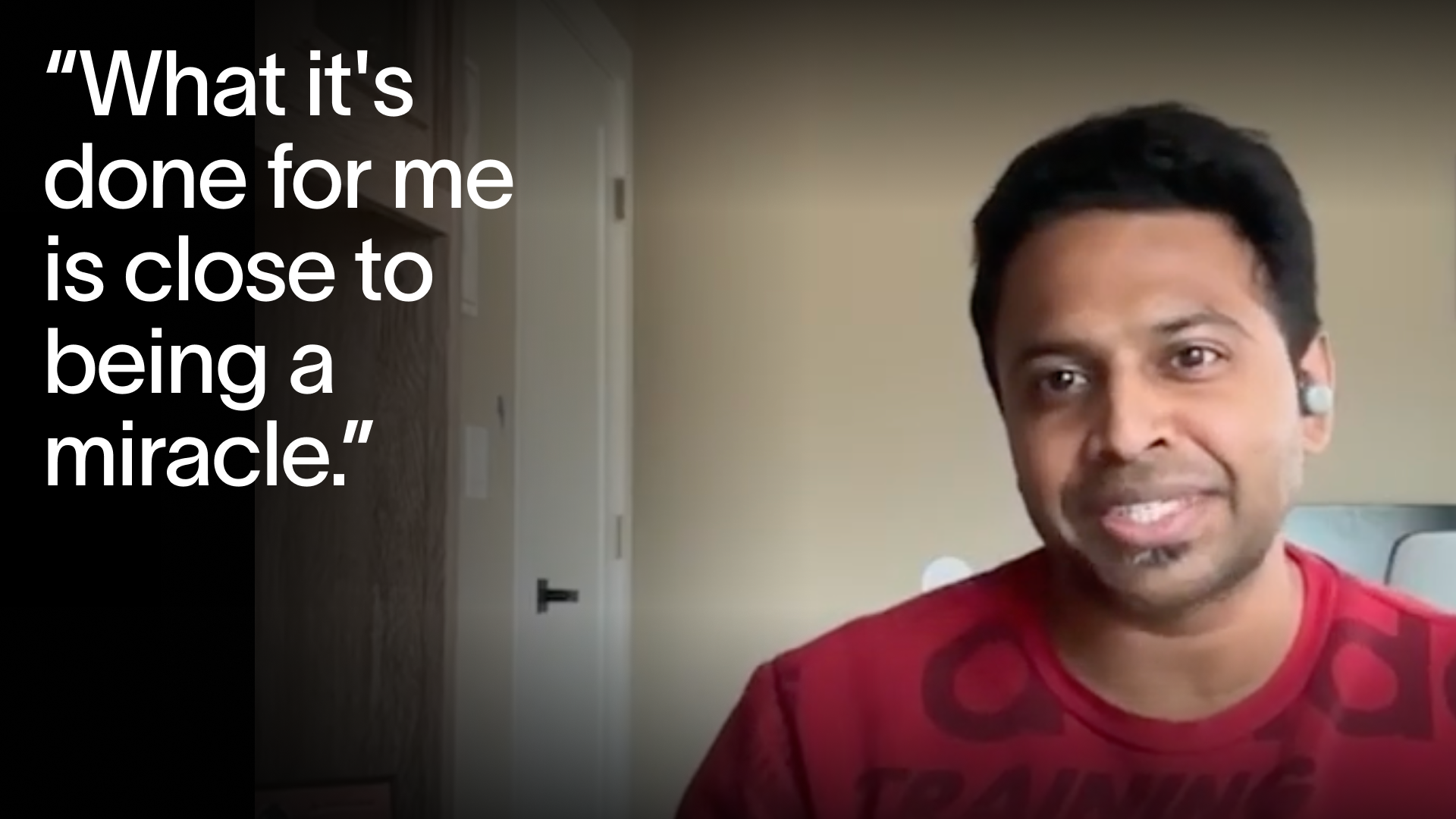

He lives in the mountains of Tennessee now, but his concentrated position came from a decade in California, working at a tech company in Santa Clara.
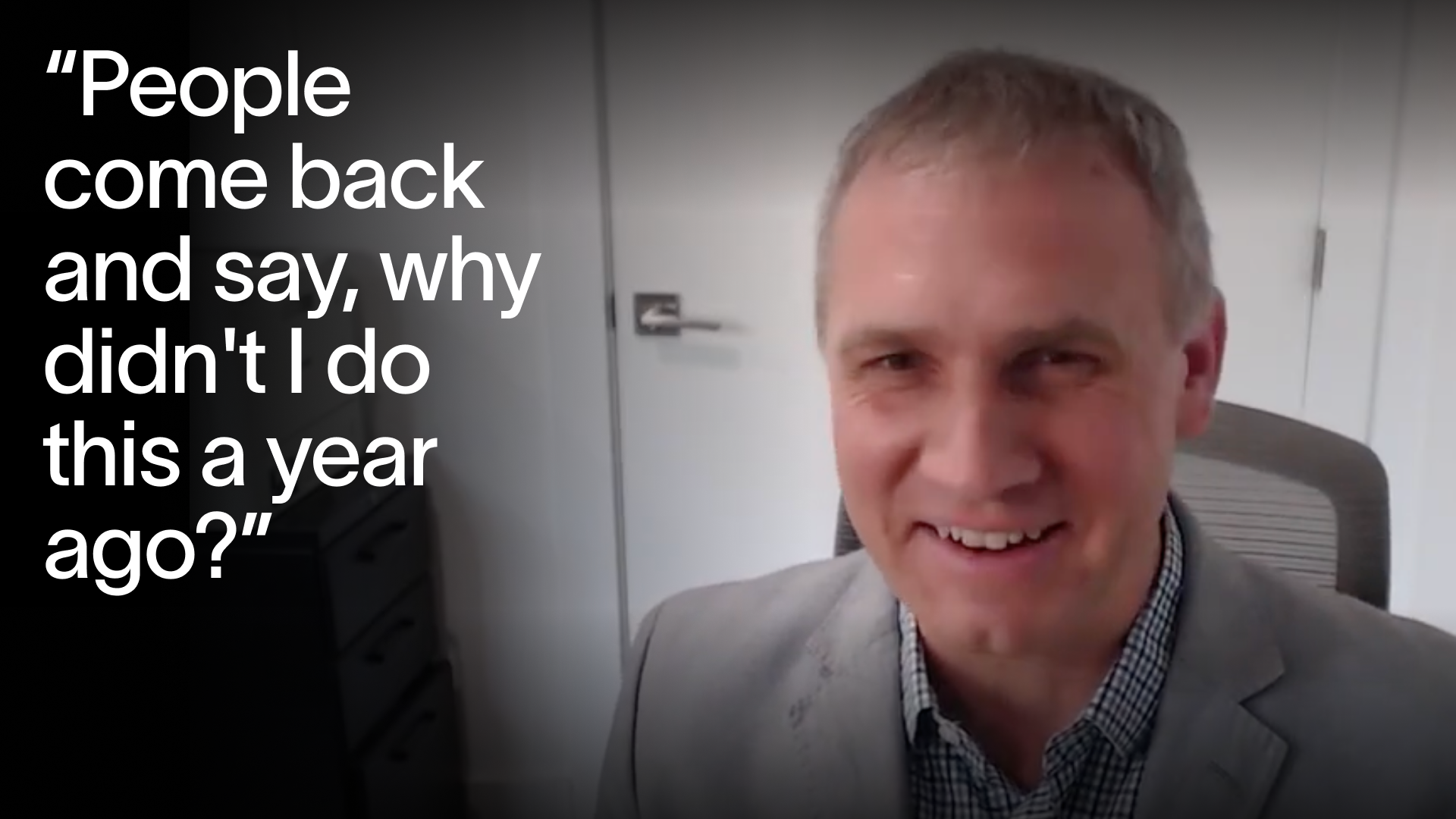
"As soon as you wake up, the first thing you look at is the stock numbers," Rohit says. "I used to do that for a few years."
That habit was the tell. Concentration had stopped being a spreadsheet problem and become something he carried around.
How it built up
Rohit is direct about how it happened.
"Just like other tech professionals, I had, of course, stock concentration problem, which also kind of turned into a financial risk over the years," he says.
He kept diversifying his cash compensation. The stock just kept piling up on one side of the ledger.
"Every financial diversification course you go to, they talk about don't put all your eggs in a single basket," he says. "For me, it was happening that way. Everything was going to that single basket."
The barrier was clarity
Selling meant a tax bill he couldn't justify. Holding meant carrying the risk indefinitely.
"It came to a point where I needed to really figure this out," he says. "Do I need to liquidate my existing stock and incur a huge tax bill? Or figure out a different vehicle?"
The vehicle existed. He'd just never been shown it.
"I didn't know about the whole exchange fund concept," he says. "I've heard of the term before, but I just didn't know how it operated or how exactly this would work out in terms of the stock concentration I had."
So he taught himself. Online videos. Conversations with peers. Conversations with founders.
"I was introduced to Srikanth actually by one of the founders that I was working with and it kind of came full circle."
What changed his thinking
Once Rohit understood deferral, the problem reframed itself.
"I think this was a trigger for me to learn more about how taxation happens”
That's when Cache became the path forward. Rohit was a Cache investor early. He came in through the first exchange fund the company offered.
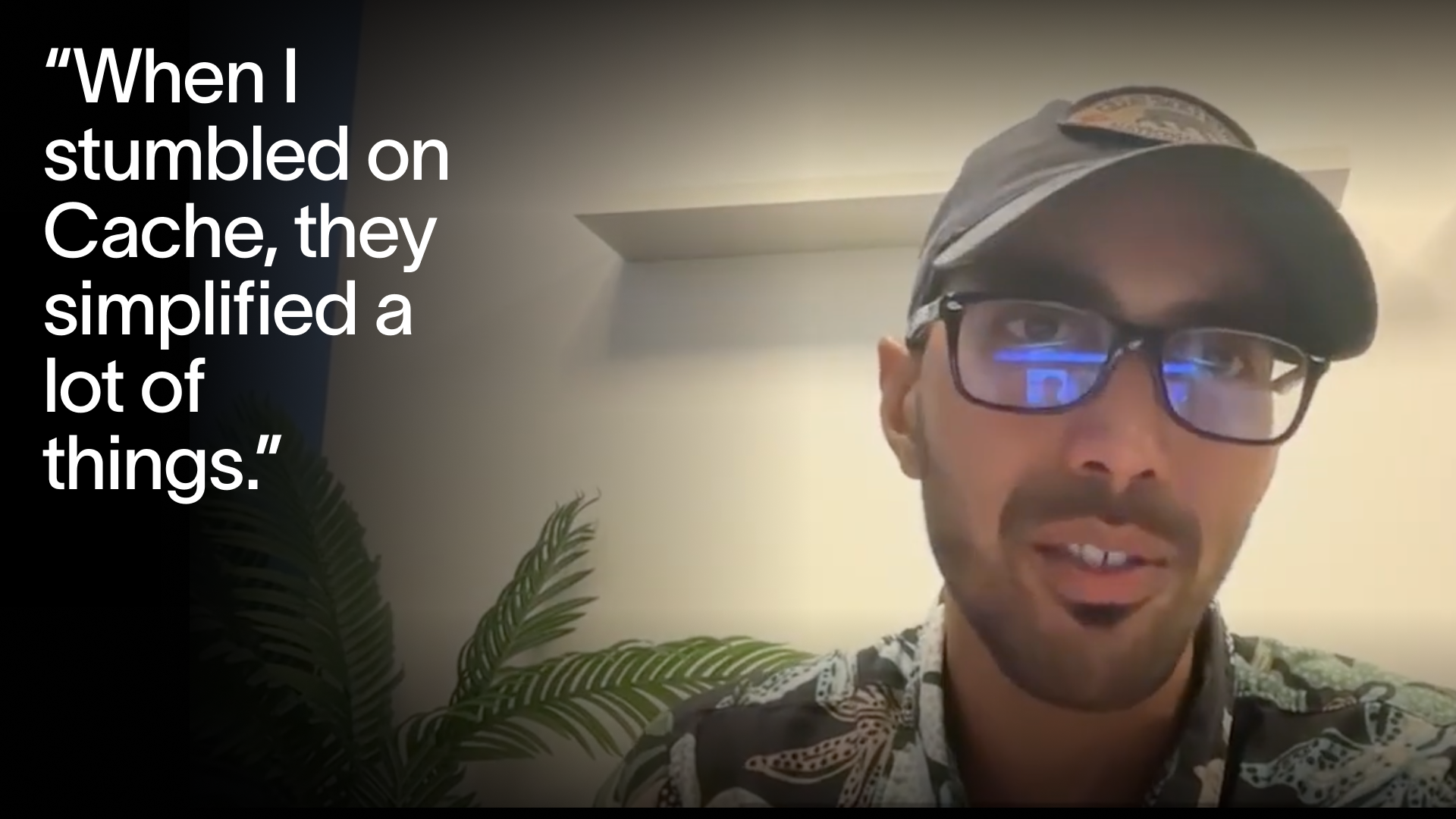
"I like the transparency," he says. "I think Cache made it super simple."
What he felt like after contributing to a Cache Exchange Fund
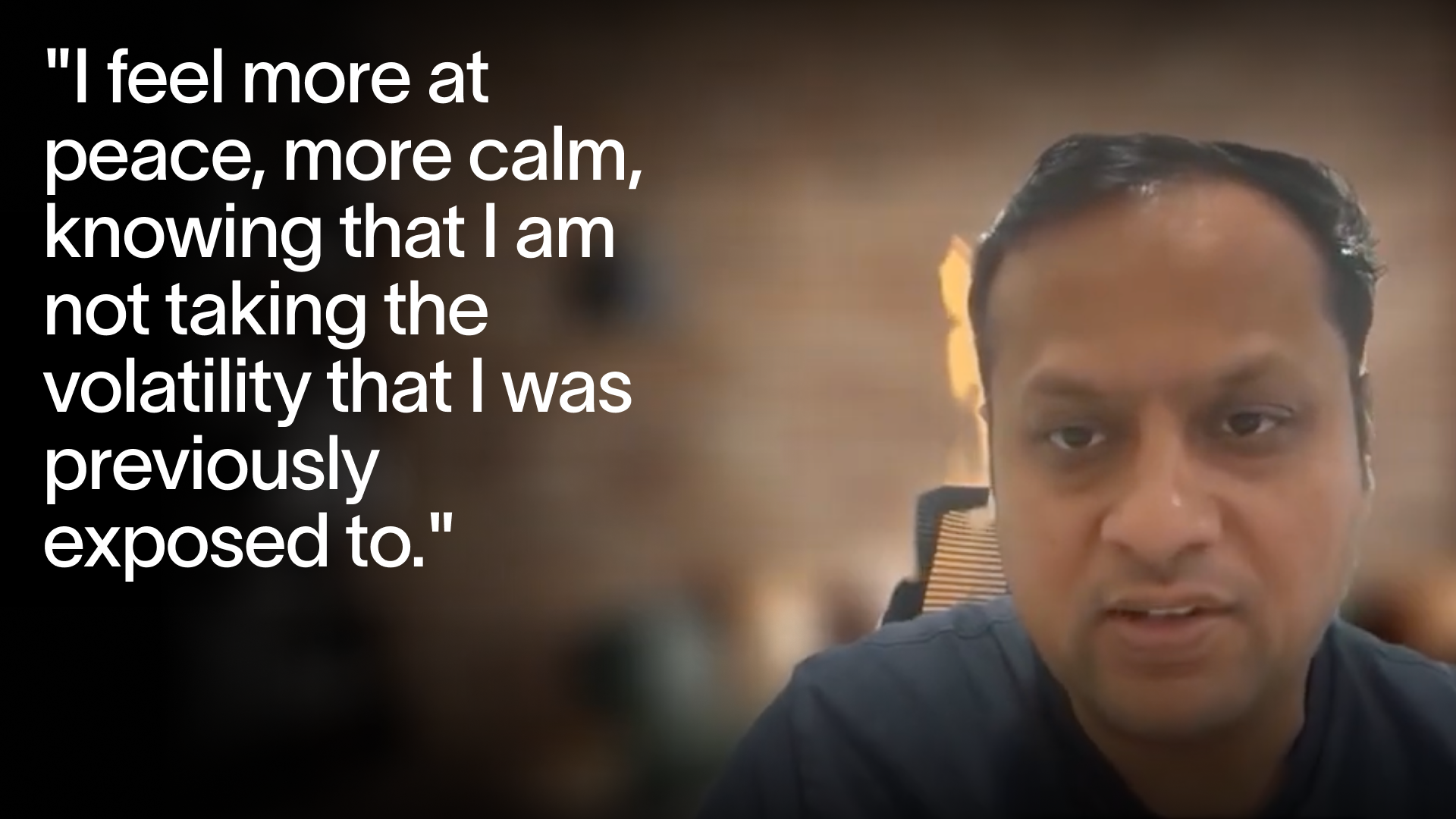
For Rohit, the most noticeable change was emotional.
"It's kind of this anxiety where you don't really have a lot of options at your disposal, but you don't want to do something," he says.
Diversification cut that down, because the risk was distributed.
"So Cache is definitely a game changer in that aspect of things, because now it's more diversified," he says.
He still tracks his investments. He just doesn't track them every morning.
"I was just looking up my returns just this morning," he says. "I was quite surprised because it's been about a few months since I looked at that. Again, it goes back to the point where I don't have to wake up every single day and look at my stocks anymore…"
What he tells others
Rohit frames it the way he framed it for himself: as a process.
"Educate yourself first," he says. "Talk with people about what it did for them. And I'm a good example of that. And lastly, see if this actually makes sense for your personal financial roadmap."
The Cache Exchange Fund can help.



Heading
Heading 1
Heading 2
Heading 3
Heading 4
Heading 5
Heading 6
Lorem ipsum dolor sit amet, consectetur adipiscing elit, sed do eiusmod tempor incididunt ut labore et dolore magna aliqua. Ut enim ad minim veniam, quis nostrud exercitation ullamco laboris nisi ut aliquip ex ea commodo consequat. Duis aute irure dolor in reprehenderit in voluptate velit esse cillum dolore eu fugiat nulla pariatur.
Block quote
Ordered list
- Item 1
- Item 2
- Item 3
Unordered list
- Item A
- Item B
- Item C
Bold text
Emphasis
Superscript
Subscript
Heading 1
Heading 2
Heading 3
Heading 4
Heading 5
Heading 6
Lorem ipsum dolor sit amet, consectetur adipiscing elit, sed do eiusmod tempor incididunt ut labore et dolore magna aliqua. Ut enim ad minim veniam, quis nostrud exercitation ullamco laboris nisi ut aliquip ex ea commodo consequat. Duis aute irure dolor in reprehenderit in voluptate velit esse cillum dolore eu fugiat nulla pariatur.
Block quote
Ordered list
- Item 1
- Item 2
- Item 3
Unordered list
- Item A
- Item B
- Item C
Bold text
Emphasis
Superscript
Subscript
The Cache Exchange Fund can help.


Make better decisions for managing your large stock positions.
Sign up to receive all our insights and data.
Make better decisions for managing your large stock positions.
Sign up to receive all our insights and data.